
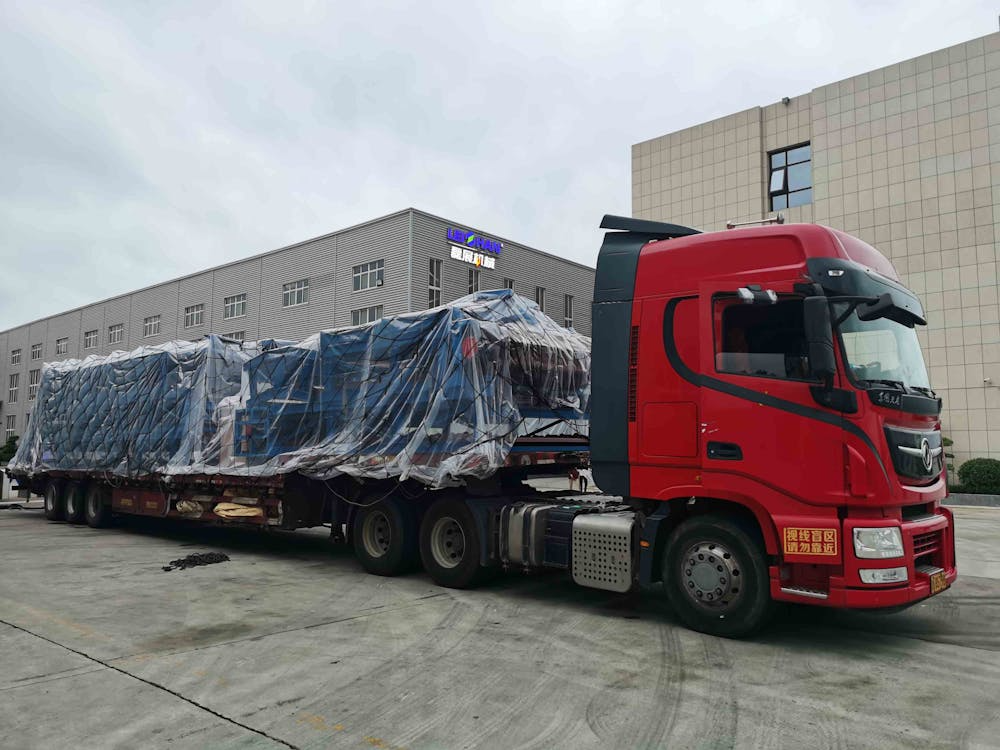
Picking the wrong trailer will set your business back.
Business owners spend thousands every year on trailers that aren’t fit for their needs. Oversized trailers, undersized trailers… trailers that just aren’t meant to haul the goods they need to transport.
And yet…
The right commercial trailer can revolutionise your business.
It can save you money, improve productivity and help you branch out in ways you hadn’t thought possible.
But first, you need to know what you’re doing.
In this ultimate guide, you’ll learn:
- Why Commercial Trailers are Important for Businesses
- Types of Commercial Trailers
- Things to Consider When Buying a Trailer
- The Most Common Trailer Buying Mistakes (+ how to avoid them)
Why Commercial Trailers are Important for Businesses
Commercial trailers are big business.
According to Grand View Research, the global semi-trailer market hit $22.8 billion in 2024 and is expected to grow to $42.3 billion by 2033. This represents a compound annual growth rate (CAGR) of 7.2%.
This growth is being driven by…
Shopping online has never been more popular. More people are working from home which has led to higher manufacturing outputs. And commercial trailers provide businesses with a quick, affordable solution to transport goods from A to B.
Needless to say, investing in a quality commercial trailer from reputable trailer manufacturers like Dennison Trailers equips your business with the tools it needs to keep customers happy and thrive amongst the growing competition.
…but they don’t all offer the same benefits.
Types of Commercial Trailers
There are multiple different types of commercial trailers on the market. Here are the most common:
Dry Van Trailers are fully enclosed and most commonly used to transport goods that don’t require temperature-controlled environments. Dry vans are where most people ship household items and clothing. They currently hold the largest market share of commercial trailers.
Refrigerated Trailers (Reefers) are temperature-controlled trailers used to transport perishable food and goods. If your business transports groceries or pharmaceuticals, you likely use a Reefer. Straits Research reports food manufacturers lose over $750 million USD per year transporting goods in trailers without proper cold-chain facilities.
Flatbed Trailers have been around for as long as trucks have and are primarily used to transport heavy or oversized cargo. If your business transports construction supplies, heavy machinery, or industrial equipment – chances are you use a flatbed. They’re known for being versatile and simple to load and unload.
Lowboy Trailers are similar to flatbed trailers but rest closer to the ground. Due to their construction, they can transport heavier loads than traditional trailers. Many businesses use lowboys to transport tall or heavy construction equipment and agriculture equipment that won’t fit in standard trailers.
Curtain Side Trailers are enclosed trailers with curtains on the sides that allow for access similar to flatbed trailers. The curtains can be pulled back to allow for easy loading. These trailers are a great mix of protection and efficiency.
Things to Consider When Buying a Trailer
Once you’ve identified the perfect trailer type for your business, there are a few things you’ll want to keep in mind.
Payload Capacity
This should always be a primary consideration when purchasing a trailer. Every trailer has a maximum weight capacity which should never be exceeded.
Consistently hauling overweight cargo can damage the trailer, create safety issues for you and your employees, and lead to fines from regulatory bodies. Make sure the trailer you purchase can exceed your typical payload capacity.
Axle Configuration
Trailers come with either 2, 3, or 4 axles. The number of axles impacts weight distribution, manoeuvrability, and whether or not you can travel on certain roads. Three and four axle trailers account for the majority of sales due to their versatility with manufacturing, agricultural, and construction industries.
Build Quality
Don’t let a trailer salesman try to talk you into something cheap. You get what you pay for when it comes to trailers.
Cheap trailers fall apart faster and require costly repairs. Focus on trailers with high-quality steel and aluminium materials.
Regulations
Research trailer regulations in your area before making a purchase. Dimensions, weight limits, lighting, and braking systems are not one-size-fits-all. You don’t want to get fined because your trailer is non-compliant.
Price vs Value
Just because a trailer is cheap doesn’t mean you should buy it. When factoring price into your decision, also account for how much you’ll have to spend on maintenance, how fuel-efficient it is, insurance costs, and how long the trailer should last you.
The Most Common Trailer Buying Mistakes (+ how to avoid them)
Here are five common mistakes people make when buying trailers. We’ll explain what exactly you should do to avoid falling into these traps.
Mistake #1: Settling For The Low Price
Like mentioned above, don’t fall into the trap of thinking a cheap trailer is a good deal. Your trailer is a long-term investment. The last thing you want is to be spending money on repairs that could have gone to buying a better trailer.
Mistake #2: Don’t Think About the Future
When you purchase a trailer think about where your business will be in 2-5 years. If you buy a trailer that meets your needs today but can not expand to meet future growth you’ll have to purchase another trailer down the line.
Mistake #3: Not Doing Your Due Diligence
If you don’t want your trailer to end up being a lemon, be sure to inspect it thoroughly before buying. This goes for both new and used trailers.
Check the frame for cracks, damage to flooring, brakes, wheels, lights, etc. You don’t want to overlook something that could cost you down the road.
Mistake #4: Don’t Forget about Depreciation
A trailer will lose value as soon as you drive it off the lot. Don’t forget about trailer depreciation when calculating costs and always buy from a reputable dealer that uses known manufacturers.
Mistake #5: Not Knowing What You Need
Lastly, you need to know what type of trailer you need to run your business. Don’t purchase a refrigerated trailer if you’re a construction company that only transports building supplies. Make sure the trailer you buy has a purpose.
Questions to Ask Before Purchasing
When you’re ready to take the plunge and buy your trailer there are a few questions you should always ask.
- What kind of warranty does the trailer come with?
- What sort of maintenance will be required and how much will it cost?
- Does this trailer meet all region compliance requirements?
- How long will it take to get my trailer?
- How easily can I obtain replacement parts?
Asking these questions will help you weed out sketchy trailer salesmen and identify trailers that will work best for your business in the long run.
Wrapping It All Up
Don’t over think it, just understand the basics of buying a commercial trailer.
Determine your business needs. Buy a trailer that suits those needs. Invest in quality products from brands that offer excellent customer service. And plan for your business to grow.
Commercial trailers are in high demand and that demand will only continue to grow. By investing in the right trailer your business can excel.
Here’s what you need to remember:
- Do your research on trailer types.
- Consider your payload capacity.
- Evaluate total cost of ownership.
- Don’t fall for the common mistakes we mentioned.
- Ask the right questions.