
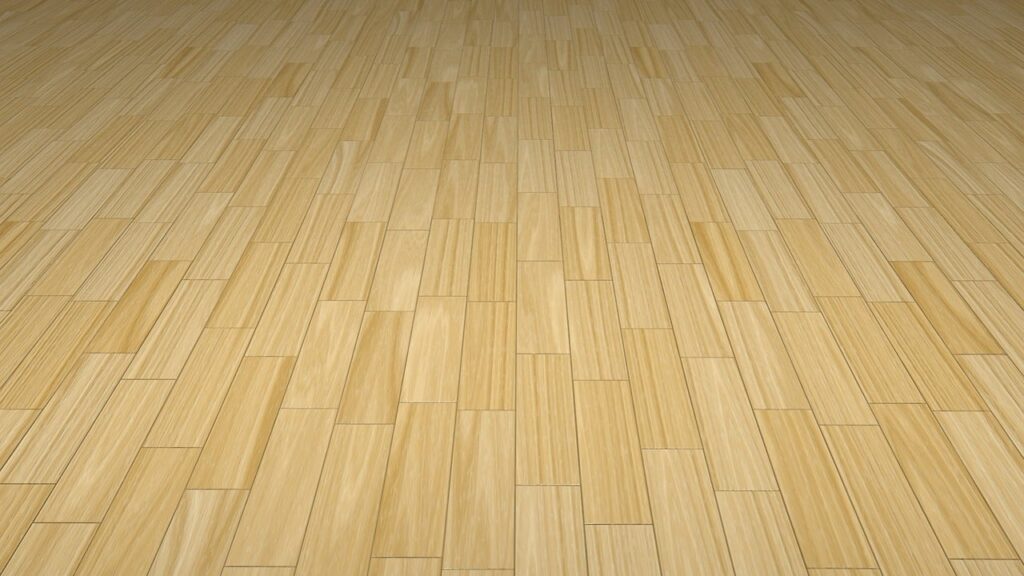
Hardwood flooring has a way of making a home feel settled, warm, and expensive in the best possible way. It adds texture, character, and long-term value. Still, not every hardwood floor holds up the same way. Some species can handle kids, dogs, dropped toys, dragged dining chairs, and years of daily traffic much better than others.
If you want a floor that looks beautiful today and still looks good years from now, durability needs to guide your decision. That does not mean you have to buy the hardest wood on the market and call it a day. True durability comes from a mix of hardness, grain structure, dimensional stability, finish quality, and how well the wood fits your lifestyle.
This is where many homeowners get stuck. They hear words like white oak, maple, hickory, engineered, solid, wire-brushed, site-finished, and prefinished, and everything starts to blur together. The good news is that once you understand what actually makes a hardwood floor durable, the shopping process gets much easier.
In this guide, you will learn about seven durable hardwood floors worth considering for your home. More importantly, you will also learn how to judge durability like a pro, so you can choose a floor that fits the way you actually live.
What Makes a Hardwood Floor Durable
Before looking at species, it helps to understand what durability really means in flooring.
Most people focus on hardness first, and that makes sense. Harder wood usually resists dents and wear better. The Janka hardness test measures how much force it takes to press a steel ball into the wood. A higher number usually means a tougher surface. That said, hardness is only one piece of the puzzle.
Grain matters too. A busy grain can hide daily wear better than a very smooth, uniform surface. Finish matters just as much. A high-quality finish often protects the floor better than the species alone. Stability matters as well. Some woods expand and shrink more with seasonal humidity changes, which can lead to gaps, movement, or stress over time.
That means the most durable floor for one home may not be the most durable floor for another. A quiet guest room has different needs than a kitchen, hallway, or family room with pets and children.
White Oak Flooring Gives You Strength Without Looking Harsh
White oak earns its reputation for a reason. It is one of the most reliable hardwood flooring choices on the market. It has a Janka rating around 1,360, which puts it in a sweet spot. It feels tough under daily use, but it does not become difficult to work with or overly expensive like some exotic options.
What makes white oak especially appealing is its balance. It offers good hardness, solid stability, and a grain pattern that hides small scratches better than smoother woods. It also accepts stains beautifully, which gives you more design freedom. You can go light, medium, dark, natural, rustic, or modern without fighting the character of the wood.
White oak also tends to perform well in busy households. If you have children, pets, or constant foot traffic, it gives you a floor that can take real life without looking beaten up too quickly. Many homeowners choose white oak because it feels timeless. Trends change, but white oak tends to stay relevant.
If you want one hardwood species that checks almost every box, white oak usually belongs near the top of the list.
Hickory Flooring Handles Heavy Traffic Like a Workhorse
If toughness is your top priority, hickory deserves serious attention. With a Janka rating around 1,820, it stands much harder than oak. That extra hardness makes a difference in homes where floors take a beating.
Hickory works especially well in active households. It resists dents better than many domestic hardwoods, which makes it a practical choice for entryways, living rooms, and homes with large dogs. It also has dramatic color variation and bold grain movement, so minor wear tends to blend in better than it would on a more uniform wood.
That said, hickory has a strong personality. It does not give you the quiet, subtle look of white oak or maple. It feels more rustic, energetic, and visually active. Some homeowners love that character. Others want something calmer.
If your goal is durability first and a clean, understated floor second, hickory may not be your best fit. But if you want a wood that stands up to chaos and still brings warmth and texture, hickory is hard to beat.
Maple Flooring Brings a Clean Look and Solid Strength
Maple often appeals to homeowners who want a smoother, more refined appearance. Hard maple has a Janka rating around 1,450, so it offers strong resistance to wear while maintaining a clean, modern feel.
The biggest strength of maple lies in its subtle grain. It creates a more uniform surface, which many people love in contemporary interiors. It pairs well with minimalist spaces, lighter color palettes, and rooms where you want the floor to support the design instead of dominate it.
Still, that cleaner appearance comes with a tradeoff. Because the grain looks more even, dents and scratches may show more clearly than they would on a wood with stronger pattern variation. That does not make maple a weak option. It simply means you need to be honest about your lifestyle.
Maple works best in homes where durability matters but appearance matters just as much. If you want a floor that feels strong, bright, and polished, maple can be an excellent choice.
Red Oak Flooring Remains Popular Because It Performs Well
Red oak has stayed popular for decades, and that did not happen by accident. It offers dependable durability, a traditional look, and wide availability. Its Janka rating sits around 1,290, which places it slightly below white oak, but still well within the range of a durable family floor.
Many homeowners choose red oak because it gives them a familiar hardwood look with warmth and noticeable grain. It hides moderate wear fairly well, and it often costs less than premium species or trendy imported options. That makes it attractive for larger homes or full-house installations.
Red oak also takes stain well, although its undertones differ from white oak. If you care about color, test samples before making a final decision. Some stains pull differently on red oak, especially in cooler or more muted design schemes.
From a practical point of view, red oak remains one of the safest hardwood flooring choices for homeowners who want durability without overcomplicating the process.
Ash Flooring Offers Strength and Flexibility
Ash does not get as much attention as oak or hickory, but it should. With a Janka rating of around 1,320, it offers solid toughness along with a bold grain that gives it visual energy.
Ash works well for homeowners who want a floor that looks lively and natural without going too dark or too heavy. Its grain pattern resembles oak in some ways, but it often feels a bit brighter and more open. Because the grain has movement, it can do a good job of disguising everyday wear.
One reason Ash deserves more attention is balance. It sits in a practical middle ground. It is not the hardest wood available, but it brings enough strength for most homes while keeping a more approachable look and feel.
If you want something durable that feels a little less expected than oak, ash is worth a close look.
Brazilian Cherry Delivers Serious Hardness
Brazilian cherry, also known as jatoba, ranks much higher on the hardness scale than most domestic hardwoods. Its Janka rating often lands around 2,350. That is extremely hard, and it shows in day-to-day performance.
This species can handle heavy traffic very well. It resists dents impressively and brings rich, dramatic color into a room. If you want a hardwood floor that feels luxurious and strong, Brazilian cherry certainly makes a statement.
Still, this is not a casual choice. Its deep reddish-brown tone grows darker over time, and that color shift needs to match your design goals. It also brings a more formal, traditional look than white oak or maple. In some homes, that works beautifully. In others, it can feel too heavy.
Brazilian cherry fits homeowners who want exceptional hardness and do not mind the stronger color presence. It is durable, bold, and not shy about either one.
Walnut Flooring Trades a Bit of Hardness for Timeless Beauty
Walnut usually surprises people in this conversation because it is softer than many of the other woods here. American walnut often has a Janka rating around 1,010. That means it does not compete with hickory or maple in raw hardness.
So why include it? Because durability is not only about surviving impact. Walnut has remarkable visual depth, rich color, and a grain pattern that ages gracefully. In lower- to medium-traffic areas, it can still perform well, especially when paired with a strong finish and realistic expectations.
Walnut makes sense for homeowners who care deeply about elegance and want a floor that develops character over time. It may not be the best choice for a busy household with large pets and rough daily use, but in the right setting, it remains a durable, long-term investment with exceptional style.
This is a good reminder that the best hardwood floor is not always the hardest one. It is the one that matches how your home actually functions.
Engineered White Oak Deserves a Spot in This Conversation
Some homeowners hear “engineered” and assume it means lower quality. That is a mistake. A high-quality engineered hardwood floor can be extremely durable, and in some homes, it can outperform solid hardwood in practical ways.
Engineered white oak stands out because it combines a real hardwood wear layer with a layered core that improves dimensional stability. That makes it a smart option in homes where humidity changes create problems for solid wood. It often works better over concrete subfloors, in wider plank formats, and in areas where seasonal movement would otherwise become an issue.
The key is quality. A thick wear layer and strong manufacturing standards matter. Cheap engineered flooring is easy to find, but well-made engineered white oak can give you the beauty of real wood with better stability for modern living.
If you live in a climate with moisture swings or you want wider planks without as much movement risk, engineered white oak deserves serious consideration. Consider Bergamo as an option.
How to Choose the Right Durable Hardwood Floor for Your Home
The smartest way to choose hardwood flooring is to stop asking, “What is the hardest wood?” and start asking better questions.
Think about who lives in the home. Do you have children who run through the hallway every day? Do you have dogs with heavy nails? Do you host often? Does your kitchen open into your living area? Those details matter more than trend boards.
Also think about how much wear you want the floor to hide. Hickory and oak can camouflage small scratches better than smoother, more uniform woods. Matte and low-sheen finishes usually hide wear better than glossy ones. Wire-brushed textures can also reduce the visibility of daily marks.
Then consider your design goals. White oak gives you versatility. Hickory gives you toughness and character. Maple gives you a cleaner surface. Walnut gives you richness. Brazilian cherry gives you density and drama.
When you shop, ask about more than species. Ask about finish warranty, plank construction, board width, installation method, and whether the floor fits your subfloor and environment. A durable species installed poorly can still become a headache.
The Best Durable Hardwood Floor Is the One That Fits Your Real Life
If you want the safest all-around choice, white oak remains one of the strongest picks for most homes. If you want maximum toughness, hickory deserves attention. If you prefer a clean, refined look, maple makes sense. If you want something classic and dependable, red oak still delivers.
The right answer depends on how you live, what look you want, and how much maintenance you are willing to manage. A great hardwood floor should not only survive your home. It should belong in it.
That is the real goal. You are not just buying wood. You are choosing the surface your family will walk on every day, the one that will frame your furniture, catch the afternoon light, and quietly shape how your home feels for years.
Choose the one that can handle your life and still look beautiful doing it.