
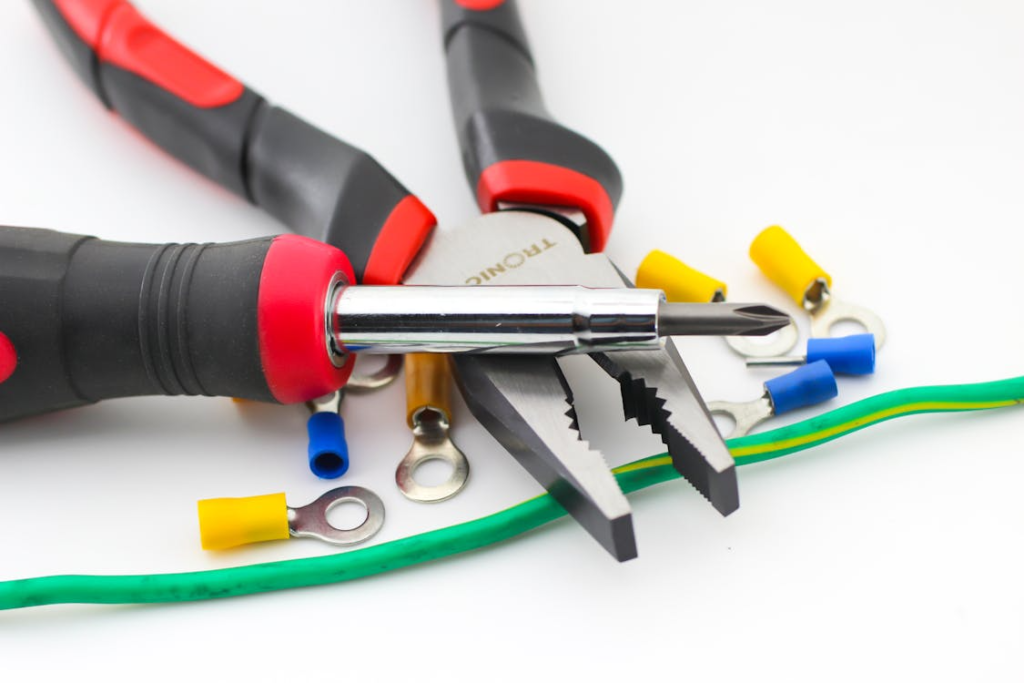
Ever wanted to work on electrical projects around the house with confidence?
At some point every DIY home builder realizes that their current toolkit just won’t cut it. Good electrical tools are essential for the job to not only turn out right…but to avoid costly mistakes. The Electrical Safety Foundation reported a 59% increase in non-fatal electrical injuries between 2023 and 2024 versus the previous two year span.
Great news?
The majority of those injuries were preventable with proper equipment and knowledge. Quality tools don’t just make the job easier…
- They keep you safe
- They let you work faster
- They help you achieve professional level results
Here’s what you’ll pick up:
- Why Electrical Tools Matter For DIY Builders
- Electrical Tools You Need To Have
- Soldering Stations and Temperature Control
- Helpful Testing and Diagnostic Tools
- Safety Gear You Should Never Work Without
Why Electrical Tools Matter For DIY Builders
Let’s get something out of the way…
Cheap tools or improper tools are one of the leading causes for DIY electrical project failures. Dull screwdrivers, improperly stripped wires and cold solder joints are never fun to troubleshoot down the road. With upwards of 50,000 electrical fires happening every year in the United States alone. Cutting corners just isn’t worth it when it comes to electrical work.
The DIY home improvement industry is exploding right now. Making sure you have the right tools in your workshop isn’t optional.
Professional electricians spend thousands of dollars on their tools. Beginners and DIY builders don’t need to spend that much… but they do need to start building a collection of quality tools they can rely on to do the job safely.
Electrical Tools You Need To Have
The more advanced tools are coming shortly. But before anything else…every DIY home builder needs to master the basics. These tools will be used for nearly every electrical project.
Let’s go through what’s needed:
- Wire strippers: Stripping wires cleanly is essential for safe connections. Invest in a quality adjustable pair that can handle multiple sizes.
- Needle-nose pliers: Used for bending wires, reaching into those tough to reach junction boxes and grabbing those small terminals.
- Voltage tester: Always double check that a circuit is dead before working on it. You can pick up a non-contact voltage tester for less than $20.
- Electrical tape and heat shrink tubing: Electrical tape is used to insulate connections. But heat shrink provides a more professional finish.
- Screwdrivers: Insulated screwdrivers are a must. You should have both standard and Phillips head covered.
There you have it. Now onto the fun stuff..
Soldering Stations and Temperature Control
Ok time to nerd out a bit…
Soldering stations are one of the most useful tools you can own. Repairing that faulty circuit board, wiring up that custom LED light setup or attaching those sensitive electronics components all require solid solder joints.
But did you know: That controlling the soldering iron temperature is just as important as the soldering itself. Too much heat and you damage components. Too little heat and you create weak cold solder joints.
You want a soldering station that allows precise control over the temperature. For those that want to dive into electronics at home, check out the best soldering stations for hobbyist to learn more.
If you’re buying a soldering station and temperature control kit, here are some things to look for:
- Wide temperature range: Ideally, you want a station that allows you to adjust from 200°C all the way up to 480°C. This allows you to work with different solder and various components.
- Fast heat up time: Don’t waste time waiting 5 minutes for your soldering iron to reach temperature.
- Consistent temperature hold: The station should maintain the set temperature when soldering. It won’t heat up further, but won’t drop like some cheaper models.
- Interchangeable tips: You’ll want to have access to different tips for the soldering station. Different jobs require different tip shapes.
Sure you can pick up a soldering iron for $10. But they lack temperature control and could cause more issues.
Testing and Diagnostic Tools
This is where a lot of DIY builders drop the ball…
Tools for testing your circuits take the guessing work out of electrical DIY. Nothing is more important to own than a digital multimeter. They allow you to verify so many things within your home.
With a digital multimeter you can:
- Test for voltage (AC and DC)
- Test continuity through circuits
- Measure resistance
- Troubleshoot defective wiring and components
Beyond the multimeter, it’s worth picking up a circuit tester and also a GFCI outlet tester. They’re cheap and make working with outlets and diagnosing issues a breeze.
The moral of the story: You can never have too many tools to test your electrical work. Always double check.
If you want to get serious, also look into a clamp meter. They allow you to measure the amount of current flowing through a circuit without actually breaking the circuit.
Safety Gear That Shouldn’t Be Optional
This one is often missed by DIY builders…
Electrical safety gear is boring. Nobody wants to buy it. But it’s why half the professionals are still working. Preventative measures like safety gear are what stands between you and a trip to the emergency room.
Here’s the absolute basics:
- Insulated gloves: Make sure they’re rated for whatever voltage you’ll be working on.
- Safety glasses: Sparks happen. Debris flies when you least expect it.
- Non-contact voltage detector: Again, always double check that you’re working on a dead circuit.
- Fire extinguisher (Class C): Specifically rated for electrical fires. Make sure you have one in your workshop.
Don’t overlook safety gear. No matter how experienced you might be…accidents can happen to anyone.
Bringing It All Together
Having the right tools for electrical DIY is one of the best investments you’ll make. From wire strippers and screwdrivers to multimeters and high-end soldering stations…
Each tool has its place.
Start with the basics and grow your toolkit from there. As you take on more projects that require specialty tools…branch out. And never sacrifice quality on safety equipment or testing tools.
The world of DIY is growing more every day. Homeowners are taking more and more projects into their own hands. Don’t be the person who caused more damage than good. Get the right tools and get comfortable working with electricity.
One more time…real quick:
- Wire strippers
- Needle-nose pliers
- Voltage tester
- Electrical Tape and Heat Shrink Tubing
- Screwdrivers
- Safety Gear
- Start with basics and build from there
- Invest in a quality soldering station
- Never leave the house without testing your work
- Don’t sacrifice safety or testing tools
The right tools don’t just help you get the job done. They allow you to do the job safely. When working with electricity… safe is the only way to work.