
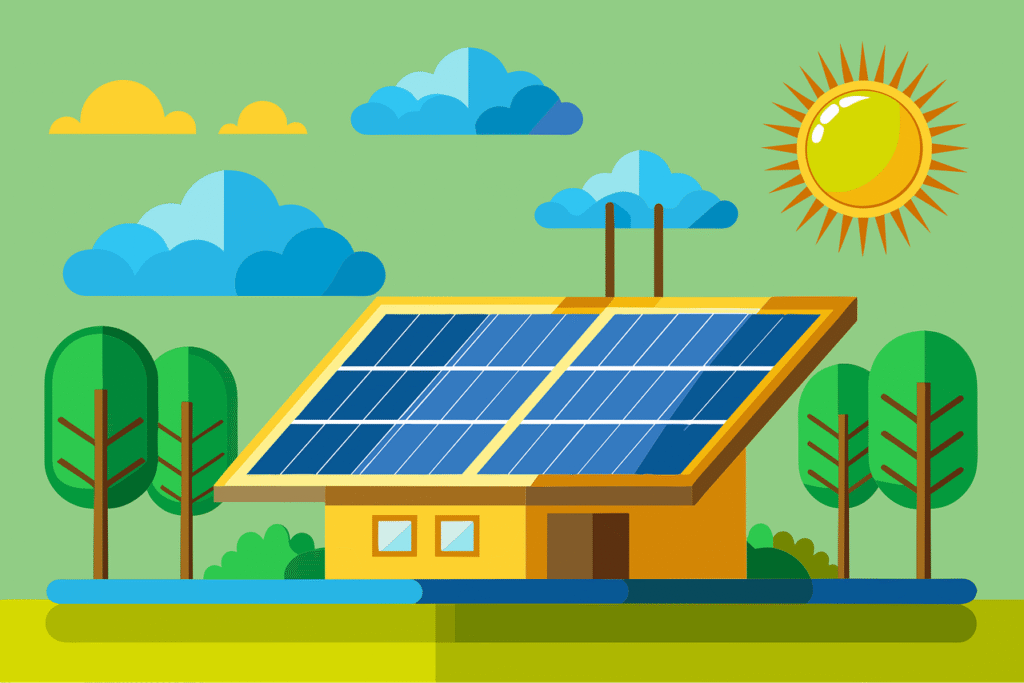
Dreaming of a home that works WITH nature instead of against it?
Green building used to be the domain of the super-rich — but now, eco friendly houses have gone mainstream. In fact, the stats prove it: according to the NAR’s Economists’ Outlook, almost half of realtors surveyed have witnessed customers asking about sustainability when shopping for a home.
The great news?
Constructing or remodeling your property to include renewable energy solutions can save you a ton of money, reduce your carbon footprint, AND increase the value of your home.
Here’s the deal:
Building sustainable homes isn’t a quick fix of shoving a few solar panels on your roof. It’s a comprehensive process, which requires thinking about all the little details. From energy generation to the mattress your back is sleeping on at night, homeowners are diving into every nook and cranny of eco friendly living – including Essentia organic mattresses – in order to create truly green sanctuaries.
Ready to learn more about the renewable energy solutions you can add to your home?
Let’s jump right in.
Overview:
- Why Renewable Energy Is Important for Eco Friendly Houses
- Solar Power Is the Basis for Green Homes
- Wind Energy Solutions for Residential Homes
- Geothermal System Unveiled
- Smart Energy Management Solutions
- How To Kick Off Your Eco-Friendly Design Journey
Why Renewable Energy Is Important for Eco Friendly Houses
Renewable energy generation is the cornerstone of any truly sustainable home.
Why? Because fossil fuels have a two-fold impact on your home’s operating costs AND environmental impact. The residential sector uses roughly 20% of all U.S. energy, making it the second-largest source of greenhouse gas emissions after transportation.
What’s more?
Buyers are aware of this.
Market data shows 82% of buyers rank the cost of heating and cooling their home as one of their most important factors when shopping for a new place to live.
If that isn’t enough, then let’s do the math.
Factor in 3% annual energy price inflation, and the energy costs for any property skyrocket over the decades. But if you’re using self-generated renewable energy for your eco-friendly house design, then your energy bill comes down to almost nothing.
How To Use Solar Power for Green Homes
Solar is by far the most accessible of all renewable energy sources for homeowners.
The catch? Most single-family homes require a system in the range of 15-34 solar panels, depending on your roof alignment, the intensity of your local sunlight, and your household energy use.
Don’t sweat it.
Solar panel costs have dropped like a rock in recent years.
- You can now expect to pay anywhere from $2.40-$3.60 per watt installed.
- The average 6-kilowatt system comes in around $12,700 after federal tax incentives are applied.
- A solar setup usually pays for itself within 7-10 years through reduced energy bills.
Technology has also come a long way. Panels are more efficient, more durable, and more sleekly designed to match with your home’s architecture instead of sticking out like a sore thumb.
When it comes to solar installations, size does matter. Partner with a certified installer who can assess your home, calculate your energy needs and design a system that fits your budget.
Wind Energy Solutions for Residential Homes
Did you know that wind energy can power your eco friendly house, too?
Small-scale residential wind systems are gaining in popularity for homeowners in certain locations. These units are smaller than you may think, and can be used to supplement solar energy during times when photovoltaics aren’t producing (say, during overcast days or nighttime).
Pro tip:
Wind systems require at least 10 mph sustained winds to work effectively, and may not be an option in urban areas with zoning restrictions. But for rural, coastal, or other windy properties, a wind system can be a fantastic complement to your solar setup.
The tech is improving, too.
Vertical-axis wind turbines are the latest innovation. They’re quieter, take up less space, and can catch wind from any direction to generate power, unlike older, traditional horizontal designs.
Geothermal System Unveiled
Let’s let you in on a secret:
Geothermal heating and cooling has been the unsung hero of eco friendly house design.
Solar and wind get all the headlines, but a geothermal system can offer incredible efficiency for your heating and cooling needs. It works by leveraging the constant temperature of the earth’s surface beneath your home to keep your home warm in the winter and cool in the summer.
Wow factor:
Geothermal systems use 25-50% less electricity than conventional HVAC systems, last much longer, and are whisper-quiet with very low maintenance needs. And they work in any climate.
But geothermal does require a higher initial investment compared to standard heating and cooling equipment. The installation involves either horizontal loops in your yard or vertical wells that are drilled deep into the ground.
The trick is to work with a certified geothermal installer who can assess your land and local geology to figure out what configuration is best for your property.
Smart Energy Management Solutions
Before you jump to install renewable energy generators for your eco friendly house, keep in mind that efficiency is king.
Smart energy management solutions are an important part of the puzzle, as they allow you to ensure that the energy you are producing is not only clean, but also used as intelligently as possible.
Key components of a smart system include:
- Battery storage solutions to bank your excess solar production when demand is low
- Smart thermostats that learn your daily patterns to optimize HVAC use
- Energy monitoring systems that show you where your usage is going and how to trim waste
- Automation programs to time-shift energy-intensive tasks like laundry or EV charging to peak production periods
Battery tech has taken a huge leap forward, and battery storage systems today are able to hold enough power to keep your home humming even if the sun isn’t shining. In addition, building resiliency is increasingly a valuable selling point on the real estate market, as extreme weather becomes more common.
It’s about combining smart management software with your renewable energy generators to turn your home into its own little power plant — one that produces, stores, and redistributes energy as needed.
How To Kick Off Your Eco-Friendly Design Journey
Excited to incorporate renewable energy into your eco friendly house build?
It starts with an energy audit. An expert audit will show you how your home is currently consuming energy and where you have the most opportunity to make improvements. Most utility companies will offer a free or heavily discounted energy audit.
Things to look into next include:
- Solar and wind potential of your property
- Quotes from certified renewable energy installers
- Tax credits and rebate programs in your area
- Planning for a phased installation if budget is an issue
- Expansion of your systems in the future
Renewable energy system components are highly modular, so starting small with a basic solar array and adding battery storage, additional panels, and more tech over time is the most common approach.
Final Thoughts
As a homeowner, one of the wisest investments you can make today is to incorporate renewable energy into your eco friendly house design.
The tech is proven, prices have dropped significantly, and consumer demand for eco friendly homes continues to climb. Whether you’re building from scratch or adding to an existing property, renewable energy solutions offer tangible returns, including lower operating expenses, increased property value, and a smaller carbon footprint.
The ideal approach will utilize a combination of renewables alongside smart energy management tools to create the most efficient, resilient system possible. Start with the solutions that are best for your location and budget and expand your tech in the future.
Your green home is not only better for the earth — it’s better for your wallet and quality of life, too.