
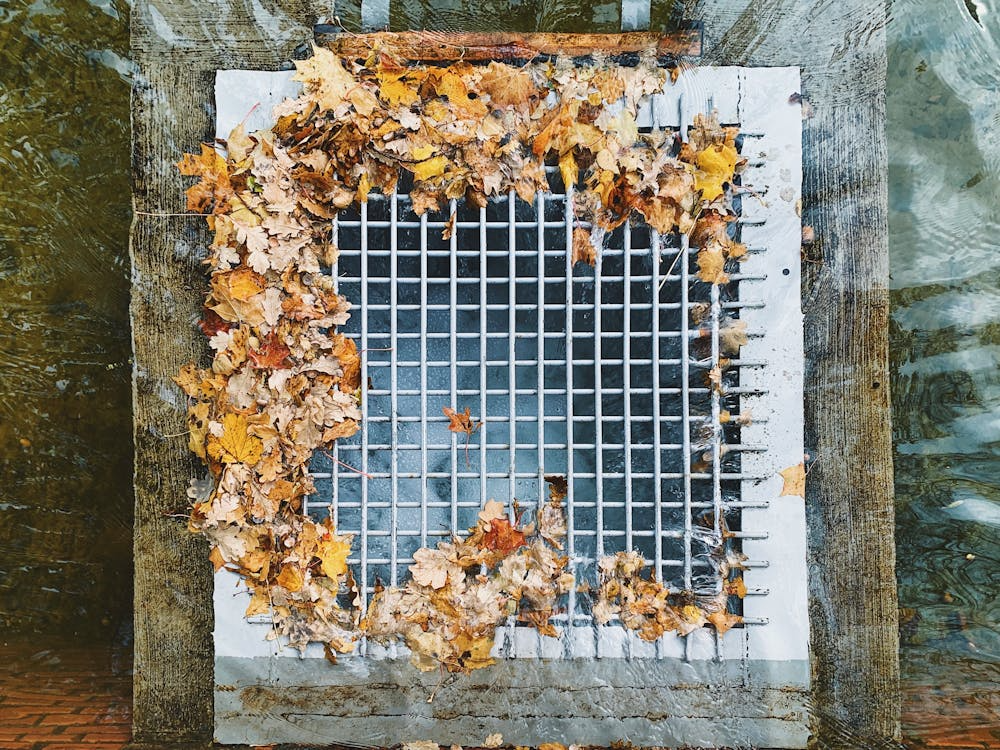
Drainage failures don’t announce themselves.
One day it’s looking great on site. The next there’s a collapsed pipe, soggy foundation or an irate property owner asking how much it will cost to fix the mistake. Problems nobody budgeted for.
Fact is there are many more failures than the industry lets on. But here’s the kicker — most failures can be avoided entirely.
Here’s What’s Covered:
- Why Drainage Failures Are a Bigger Problem Than You Think
- The Most Common Causes on Construction Sites
- How to Detect Problems Before They Escalate
- Prevention Strategies That Actually Work
Why Drainage Failures Are a Bigger Problem Than You Think
The scale of the problem is staggering.
On construction sites, drainage problems can often remain hidden for months. By the time they become evident, damage will have occurred elsewhere — foundations, adjacent ground and neighbouring buildings.
Here’s the thing…
Repair may not be the largest expense. Delay, inconvenience and liability are often higher.
That’s why smart contractors are now using sewer survey footage to stay ahead of the problem. Instead of waiting for a failure to manifest at the surface, a professional drain survey documents exactly what’s going on below ground — before, during and after construction.
High-definition CCTV cameras allow contractors to check underground drain systems and understand drain condition clearly at every stage. That way sewer survey footage serves as indisputable evidence if disagreements occur — and on hectic job sites, disagreements happen.
The Most Common Causes of Drainage Failure in Construction
Understanding what causes drainage failures is the first step to stopping them.
Construction sites have unique hazards not encountered by typical drainage systems. Here are the four worst culprits.
Poor Pipe Gradient
This is among the most forgotten reasons behind drain field failure. Also among the most frequent.
Improper slopes (the angle at which a pipe is installed) rank high on every list of construction warranty claims. Pipes that are installed without slope will not drain correctly. Water pools, debris collects, and eventually the system fails.
Minimum fall of 100mm pipework is 1:80 according to Approved Document H of the Building Regulations. Maintaining that kind of gradient over a long run of pipe is easier said than done — especially when flexible plastic pipes want to sag in storage. The result is often an acceptable fall at one end and a damaging back-fall at the other.
Site Activity Damaging Existing Drains
Development works are one of the largest contributors to drainage network damage. Piling, excavations and general heavy plant movement can all affect drains that were sound at the beginning of the development.
Under UK Building Regulations, work carried out within 3 metres of a public sewer needs approval from the relevant water authority before work starts. Pipe strikes from piling are surprisingly common — generally because nobody bothered to find out where the drain actually ran. There can be problems even without an actual strike, as vibration and ground movement from machinery on site can shift joints and crack adjacent drainage.
Tree Root Intrusion
Tree roots are relentless.
Trees and plants look for sources of water. Drainage pipes, especially older ones that have clay or concrete joints, supply just that need. Roots enter small openings and gradually enlarge the cracks until the pipe breaks completely.
Clearing land of vegetation before construction begins exposes and speeds up this type of damage to existing root systems on construction sites. It takes many project teams by surprise.
Incorrect Bedding and Backfill
Pipes need proper support.
Improper granular bedding material and inadequately compacted backfill can cause even properly installed pipe to move or crack when stressed by loading. This failure mechanism doesn’t occur instantly — it takes time for the pipe to slowly settle and stress as a result of the applied load. By the time it’s visible above ground, severe damage has already taken place below ground.
How to Detect Problems Before They Escalate
The fundamental challenge with drainage failures is that they’re hidden underground.
That’s where sewer survey footage becomes valuable. CCTV drain surveys involve inserting a remote camera into the pipeline and transmitting high-quality footage of what’s going on inside, making it possible to identify:
- Cracks, fractures, and collapsed sections
- Root intrusion and joint displacement
- Incorrect gradients or back-falls
- Sediment build-up and blockages
- Damage caused by construction activity
Surveys should happen at three key stages:
- Before work starts — to establish the baseline condition of existing drainage
- During construction — to catch damage or installation errors early
- After practical completion — to confirm the drainage system is sound before handover
The price of not investing in this is very real. Thames Water alone deals with around 75,000 blockages each year at a management cost of approximately £18 million — and that’s just one water company. When delays and liability are accounted for, the cost to construction projects of undetected drainage failures is much, much higher.
England and Wales saw 5,857 cases of properties flooded internally by sewage during 2023/24.
Prevention Strategies That Actually Work
Prevention is always cheaper than repair. Here’s what actually makes the difference:
- Pre-construction drain surveys: Establish what’s underground before any groundwork begins.
- Correct pipe selection: Specify pipes suitable for the ground conditions and traffic strengths.
- Qualified installation teams: Slope and bedding failures are installation-skills issues. Correct them prior to pipe installation.
- Staged inspections using sewer survey footage: Inspections carried out above ground only see the tip of the iceberg when it comes to defects. A camera inside the pipe reveals what surface checks cannot.
- Mark and protect existing infrastructure: Identify drain locations clearly and enforce exclusion zones.
- Post-construction verification survey: Far easier to discover an error before the client does.
And here’s the bottom line…
Projects that get drainage right — installed correctly, surveyed in time, with a prevention mentality — don’t suffer costly surprises. It’s really that easy.
The Final Word
There are only so many reasons why drainage will fail: inappropriate pipe fall, activity on site, tree roots or faulty bedding. The good news is they are all identifiable.
By making use of sewer survey footage at every stage, the guesswork is eliminated. Contractors and clients have hard evidence with which to cover themselves, avoid disagreements and deliver drainage systems that truly work.
To quickly recap what matters most:
- Survey existing drainage before any groundwork begins
- Install pipes at the correct gradient with proper bedding
- Protect live drains from site activity with exclusion zones
- Use staged CCTV inspection to verify quality throughout
- Confirm drainage condition with a post-construction survey before handover
Drainage is not sexy. Make one mistake and it is the costliest discussion on the project.