
If you’re looking to make the home of your dreams without shelling out big bucks to contractors, DIY home projects are the way to go. Home renovation DIY has become a massively popular hobby over the last few years, and for good reason. Tackling projects by yourself allows you to save thousands of dollars while giving you total control over the final result.
The thing is…
If you go about it the right way, home renovation projects can increase the value of your home, improve your quality of life, and give you an immense sense of satisfaction. Take the wrong approach, and it can quickly turn into a money pit that exhausts your bank account and weekends.
Here’s what you’ll learn:
- The Benefits of DIY Home Projects
- Must-Have Tools for DIY Projects
- Top Beginner DIY Projects
- DIY Home Project Mistakes to Avoid
- When to Hire a Professional
Benefits of DIY Home Projects
The stats don’t lie.
62% of American homeowners plan to make renovations to their properties this year, according to CivicScience. Even better, over 43% of them are doing the work entirely by themselves.
This is a major change in attitudes about home improvement.
But why are so many people picking up the tools rather than ringing contractors?
There are three primary reasons. First, saving money is a huge motivation. The cost of professional labor typically accounts for half or more of a renovation budget. Second, total control is a big draw. Homeowners can be exactly as picky as they want when doing the work themselves. No explaining things to workers. No surprises when the bill arrives.
And third? A real sense of pride. To be able to look at a home improvement project and say “I built that” is a powerful feeling.
For those looking for Poughkeepsie home stores to outfit themselves for all their home projects, DIY home renovation requires a good selection of materials to work with. Having quality lumber and hardware as well as a good set of tools can make all the difference to your results.
Must-Have Tools for DIY Projects
Tools are the bread and butter of home projects.
Before you get started on any home DIY work, your first job is to build up a tool collection. Here are the must-have items for your toolbox:
- Power drill and various drill bits
- Circular saw or jigsaw
- Level and measuring tape
- Stud finder
- Safety glasses and work gloves
- Hammer and pry bar
Cheap tools may seem like a way to save money, but they break more easily, don’t perform as well, and can even be downright dangerous. Mid-range tools from a known brand are a better investment that pays for itself over many projects.
An often overlooked tool? A workbench or sawhorses. Having a sturdy surface to work on when cutting and assembling materials is well worth the space it takes up and prevents all manner of mistakes and accidents.
Top Beginner DIY Projects
The phrase “all DIY projects are equal” does not apply.
Some tasks are well beyond the skill of most amateurs and require very specific tools. Others can be completed quickly with basic equipment and just a little perseverance. Wise DIY enthusiasts start with the low-hanging fruit and build up to the more challenging undertakings.
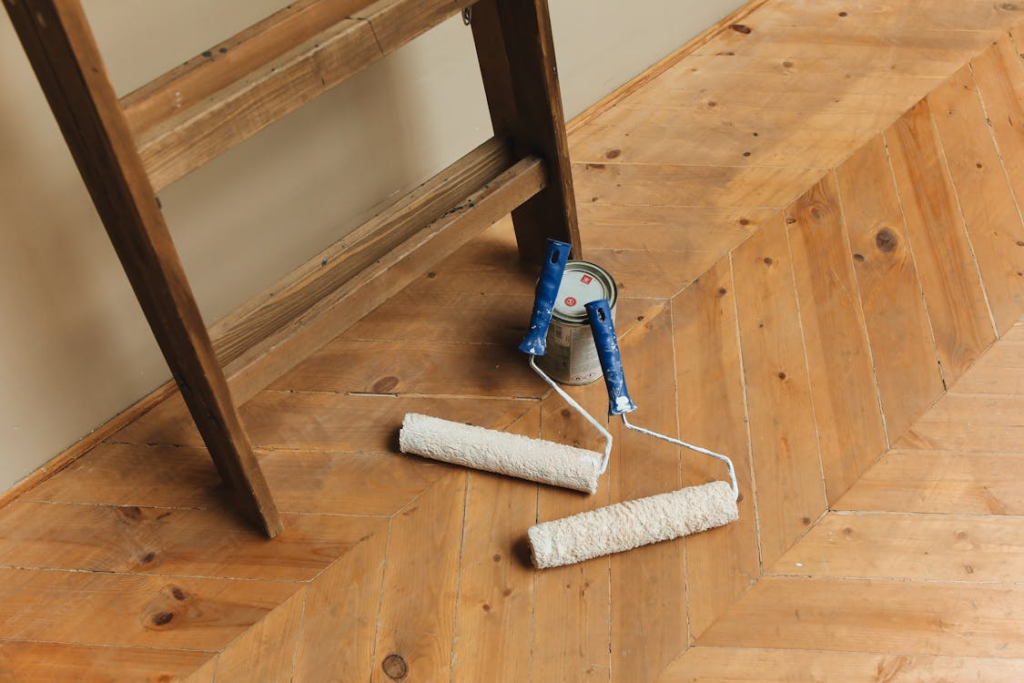
Painting ranks number one for several reasons. It is easy to do, transforms the look of any space immediately, is low-cost, and requires very few tools. Plus, a mistake or two with a paintbrush are all part of the learning process.
Swapping out hardware is the next best beginner project. Cabinet pulls, doorknobs, and switch plate covers take just a few minutes each to replace. But the overall effect can be striking. A modernized kitchen or bathroom really pops without any major building work.
Floating shelves provide a good introduction to basic carpentry skills. The project teaches measurement, leveling, finding studs, and finishing techniques. The result is both functional storage and stylish home décor.
Light fixture upgrades are the final simple project for DIY beginners. Most switches, fans, and chandeliers swap out with a basic toolset and only a modicum of electrical knowledge. Just make sure to turn off the power at the breaker before touching any wiring.
DIY Home Project Mistakes to Avoid
It’s time to get real…
DIY projects go bad all the time. And almost every time they do, it is because the same handful of mistakes is repeated.
Underestimating the budget takes the prize as the most damaging beginner error. According to a study by Hippo, 58% of homeowners spent more on their DIY home projects than they budgeted due to DIY errors and oversights. Materials are more expensive than expected. Hidden issues are uncovered. Tools need replacing.
The solution? Add 20% to every budget. Better to have cash to spare than to be out of pocket in the middle of a project.
Failure to prepare causes a similarly large number of issues. Painting before priming. Laying flooring without first leveling the subfloor. Hanging cabinets without first locating the studs. These types of shortcuts lead to twice as much work in the end.
Skipping permits and building codes creates unnecessary headaches down the line. Many home renovation projects need permits. Doing the work without them can cause problems when selling the house and/or making insurance claims.
Rushing the timeline leads to sub-par results. Good DIY work takes time. Allowing twice as long as you think a project will take keeps stress levels low and the quality high.
When to Hire a Professional
Not all home projects should be DIY.
Some have inherent risks that aren’t worth taking for the average person. Working with electricity beyond replacing light fixtures can lead to fires or electrocution. Plumbing mistakes can flood the home and cause water damage. Structural changes can bring down walls.
Know your limits.
Jobs that involve the following usually require a professional:
- Work on the main electrical panel
- Connecting gas lines
- Removing load-bearing walls
- Roofing repairs and replacement
- Foundation problems
- Installing HVAC systems
The math matters here too. Sometimes it actually costs less to hire help than to correct DIY disasters. Professional contractors come with experience, proper tools, and insurance that covers any liability issues.
A good rule of thumb? If at any point a project seems scary or overwhelming, that gut instinct is probably right for a reason. There’s no shame in enlisting experts for the big jobs and taking smaller ones on solo.
Planning for Success
Successful DIY home projects begin with planning.
Research is the first phase. Watch tutorial videos. Read blog posts. Be completely sure of the scope of work required before purchasing the first material. Knowledge is power.
Next, assemble all the materials and tools before starting work. Running out mid-project wastes time and kills momentum. Make lists and check them twice.
Then clean the work area properly. Move furniture out of the way. Lay down drop cloths. Have trash bags ready. A clean work environment allows for safer, faster, better work.
Finally, schedule the work realistically. Weekend warriors often take on more than they can chew. Breaking larger projects down into smaller phases keeps the ball rolling without burnout.
Wrapping Things Up
DIY home projects are a fantastic opportunity for homeowners to flex their muscles and learn new skills.
The money savings quickly add up. The skills acquired carry over to dozens of other future projects. And there’s no replacement for the feeling of improving a home with your bare hands.
Let’s quickly recap the main takeaways:
- Start with beginner-friendly projects
- Invest in quality tools that won’t break
- Budget more than you think you’ll need
- Know your limits and when to call pros
- Plan everything properly before starting
The home improvement industry will continue to grow because humans want to improve the places they live. Being able to take that process into your own hands through DIY makes it far more affordable and personal.
Choose a first project. Get the supplies. Start building. Your dream home isn’t going to do itself.